
Unlocking Neuroplasticity: How Neuroplasticity Assessment Can Enhance Your Learning and Growth

The idea that our brains are fixed and unchangeable is a common misconception. Many people believe intelligence and abilities are set from birth, but science tells a different story. Our brains are dynamic organs capable of change throughout life. This ability, known as neuroplasticity, allows us to learn new skills, recover from injuries, and adapt to new environments. Understanding neuroplasticity can transform how we approach learning, memory, attention, and even personal growth.
What Is Neuroplasticity?
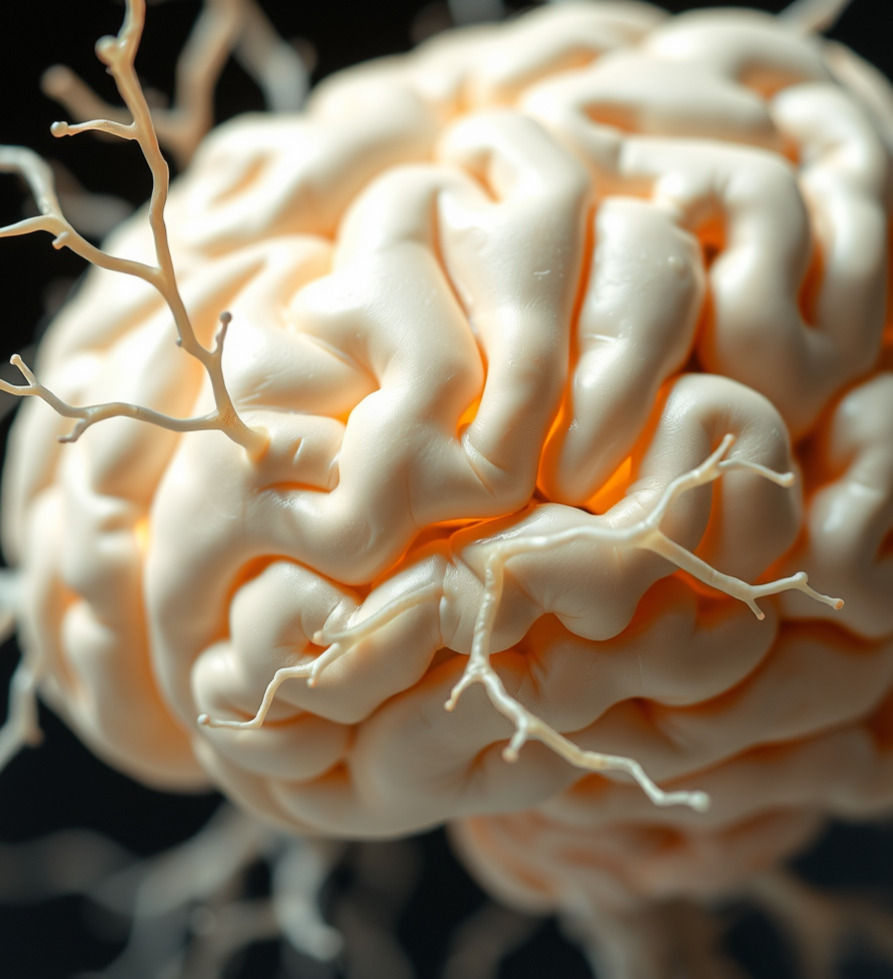
Neuroplasticity refers to the brain's ability to reorganize itself by forming new neural connections. These connections, or neural pathways, allow the brain to adjust its structure and function in response to experiences, learning, or injury. Instead of being a static organ, the brain is adaptive and constantly changing.
This process involves synaptic strengthening, where frequently used pathways become stronger and more efficient. The phrase "use it or lose it" captures this idea well: if certain neural pathways are not engaged, they may weaken over time, while active pathways grow stronger.
Lifelong Brain Change
Contrary to the myth that brain development stops in childhood, neuroplasticity occurs throughout life. While it is more pronounced during early years, adults also experience brain changes when learning new skills or adapting to new situations.
For example, adults learning a new language or musical instrument create new neural pathways and strengthen existing ones. Similarly, recovery from brain injuries often depends on the brain’s ability to rewire itself, demonstrating neuroplasticity’s role in healing.
Dispelling Common Myths
Many people believe intelligence is fixed or that people are "wired" a certain way that cannot be changed. These ideas are outdated. Research shows that:
Intelligence can improve with practice and learning.
Skills and habits can be developed or modified.
The brain can compensate for lost functions by reorganizing itself.
Understanding these facts encourages a growth mindset, where challenges become opportunities for brain development rather than fixed limitations.
Core Concepts of Neuroplasticity
Neural Pathways
Neural pathways are networks of neurons that communicate through electrical and chemical signals. These pathways form the basis of all brain functions, from simple reflexes to complex thinking.
Synaptic Strengthening
When we repeat an activity or thought, the synapses between neurons involved in that activity become stronger. This makes the pathway more efficient and easier to activate in the future.
Use It or Lose It
Unused neural pathways weaken over time. This principle explains why skills can fade without practice and why active engagement is crucial for maintaining brain function.
Brain as an Adaptive Organ
The brain’s plasticity means it adapts to new demands, environments, and experiences. This adaptability supports learning, memory, and recovery.
Reflecting on Personal Brain Change
Take a moment to reflect on your own experiences. Where have you noticed changes in how you think, remember, or process information? Perhaps you learned a new skill, adapted to a new job, or overcame a challenge that required mental effort.
This reflection helps identify areas where your brain has already adapted and highlights strengths and challenges in processing, memory, attention, language, and sensory load.
Understanding Processing, Memory, Attention, Language, and Sensory Load
Processing
Processing refers to how your brain interprets sensory information. Some people may find auditory or visual processing easier, while others may face challenges. Recognizing your processing style helps tailor learning and support strategies.
Memory
Memory involves storing and retrieving information. Strengthening memory pathways through repetition and meaningful connections improves recall and learning.
Attention
Attention controls what information your brain focuses on. Training attention through mindfulness or focused practice can enhance learning and reduce distractions.
Language
Language skills depend on complex neural networks. Engaging in reading, conversation, and language exercises supports growth in this area.
Sensory Load
Sensory load refers to the amount of sensory information your brain processes at once. Managing sensory load by creating calm environments or breaking tasks into smaller steps can improve function.
Identifying Strengths and Challenges
By observing where tasks feel easier or harder, you can identify your brain’s strengths and areas that may need support. For example:
You might excel in visual processing but find auditory tasks challenging.
Memory for facts may be strong, while working memory (holding information briefly) could need improvement.
Attention may fluctuate in busy environments but improve in quiet settings.
Understanding these patterns guides practical next steps for growth.
Practical Next Steps for Growth and Support
Engage in targeted training: Practice skills that challenge your brain, like puzzles for memory or listening exercises for auditory processing.
Create supportive environments: Reduce distractions and sensory overload to improve focus.
Use repetition and meaningful connections: Reinforce learning by linking new information to what you already know.
Reflect regularly: Notice changes and adjust strategies as needed.
Seek professional guidance: Neurodevelopmental specialists can provide personalized support and training.
For a personal neuroplasticity assessment, visit: https://tidycal.com/10yw9q3/neurodevelopment-coaching-overview-mpn8rol
Understanding neuroplasticity empowers you to take control of your brain’s growth. By recognizing how your brain changes and adapts, you can develop strategies that enhance learning, memory, attention, and overall function. This knowledge opens the door to lifelong growth and improvement.


Comments