
Art for Stress Relief and Mental Clarity
- Stephanie Anderson

- 16 hours ago
- 4 min read
In today’s fast-paced world, stress can feel overwhelming. Finding effective ways to manage stress is essential for maintaining mental clarity and overall well-being. One powerful yet often overlooked method is engaging in creative activities. Art offers a unique path to relaxation, self-expression, and mental balance. This post explores how art can be a valuable tool for stress relief and mental clarity, providing practical tips and insights to help you incorporate creativity into your daily routine.
Understanding Stress Relief Through Art
Art is more than just a hobby or a form of entertainment. It can serve as a therapeutic outlet that helps reduce anxiety and promote emotional healing. When you create art, your brain shifts focus from stressors to the creative process. This shift can lower cortisol levels, the hormone responsible for stress, and increase dopamine, which enhances feelings of pleasure and satisfaction.
How Art Calms the Mind
Distraction from worries: Focusing on colors, shapes, and textures diverts attention from stressful thoughts.
Mindfulness practice: Art encourages being present in the moment, similar to meditation.
Emotional release: Expressing feelings through art can help process emotions that are difficult to verbalize.
Sense of accomplishment: Completing an art project boosts self-esteem and confidence.
Whether it’s painting, drawing, sculpting, or even coloring, engaging in creative activities can be a simple yet effective way to unwind and clear your mind.

Practical Ways to Use Art for Stress Relief
Incorporating art into your life doesn’t require professional skills or expensive materials. Here are some accessible and enjoyable ways to use art for stress relief:
1. Start with Coloring Books
Adult coloring books have gained popularity as a stress-relief tool. The repetitive motion of coloring intricate patterns can induce a meditative state. Choose designs that appeal to you, such as mandalas, nature scenes, or abstract patterns.
2. Try Freeform Drawing or Doodling
Allow yourself to draw without rules or expectations. Doodling can help your mind wander and relax. Use simple tools like pencils, pens, or markers and let your hand move freely on the paper.
3. Experiment with Painting
Painting with watercolors, acrylics, or even finger paints can be a tactile and immersive experience. Focus on the sensation of the brush on the canvas and the blending of colors rather than the final product.
4. Create Collages or Growth Boards
Cut out images, words, and textures from magazines or printouts to assemble a collage. This activity can help you visualize goals, dreams, or simply create something beautiful that reflects your current mood.
5. Engage in Clay or Playdough Modeling
Working with clay or playdough allows you to mold and shape with your hands, which can be very grounding. The physical act of sculpting can relieve tension and improve focus.
Tips for Making Art a Stress-Relief Habit
Set aside 15-30 minutes daily or weekly for creative time.
Choose a quiet, comfortable space free from distractions.
Avoid judging your work; focus on the process, not perfection.
Use art as a way to express emotions rather than to create masterpieces.
The Science Behind Art and Mental Clarity
Research supports the benefits of art for mental health. Studies show that engaging in creative activities can:
Reduce symptoms of anxiety and depression
Improve cognitive function and problem-solving skills
Enhance emotional resilience and self-awareness
Promote relaxation and better sleep quality
Art stimulates both hemispheres of the brain, encouraging balanced thinking and emotional regulation. This holistic brain engagement helps clear mental clutter and fosters a sense of calm and clarity.
Neuroplasticity and Creativity
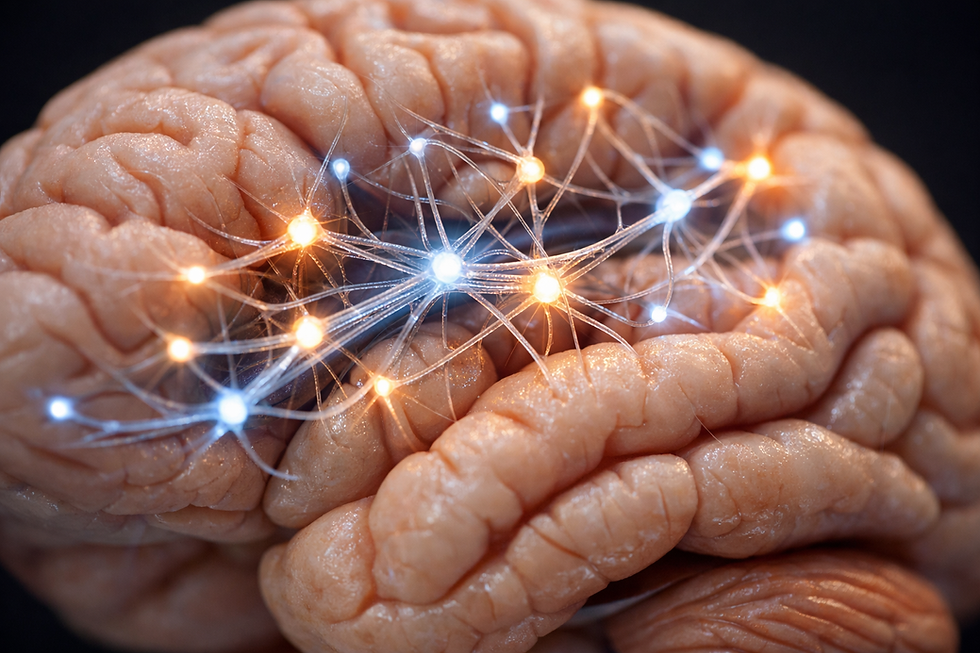
Creative activities promote neuroplasticity, the brain’s ability to reorganize and form new neural connections. This adaptability is crucial for learning, memory, and emotional recovery.

How to Integrate Art Into Your Daily Life
Making art a regular part of your routine can be simple and enjoyable. Here are some actionable recommendations:
Morning creativity: Start your day with a quick sketch or color session to set a positive tone.
Lunch break art: Use part of your break to doodle or paint, helping you recharge.
Evening wind-down: Replace screen time with creative activities to relax before bed.
Join a class or group: Social art sessions can provide motivation and community support.
Keep a creative journal: Document your thoughts and feelings through drawings and writings.
Remember, the goal is not to become an artist but to use art as a tool for stress relief and mental clarity. Even a few minutes of creative expression can make a significant difference in your mood and mindset.
Exploring Art for Stress Relief Resources
If you want to dive deeper into the benefits of art for mental health, many organizations and online platforms offer resources, workshops, and guided sessions. These can provide structure and inspiration, especially if you’re new to creative practices.
Online tutorials and courses for beginners
Art therapy sessions with licensed professionals
Community art projects and exhibitions
Mindfulness and creativity workshops
Exploring these options can help you find the right approach that fits your lifestyle and preferences.
Embracing Creativity for a Balanced Mind
Art is a powerful, accessible way to manage stress and enhance mental clarity. By dedicating time to creative activities, you nurture your emotional well-being and develop healthier coping mechanisms. Whether you paint, draw, sculpt, or simply color, the act of creating can bring peace and focus to your busy mind.
Start small, be patient with yourself, and enjoy the journey of self-expression. Your mind and body will thank you for it.
🌸 Begin Again Creative Events are one-hour guided experiences designed to help you pause, reflect, and reconnect through creativity. Each gathering includes thoughtfully designed art, poetry, and reflective writing prompts that invite you to explore meaningful themes, discover fresh perspective, and express what words alone don’t always capture. No artistic or writing experience is needed—just a willingness to slow down, create, and connect in a welcoming space where growth happens one reflection, one page, and one creative moment at a time. https://tidycal.com/10yw9q3/30-minute-meeting-1y6740e

Comments